Duck Keeping 101: Feed, Housing, and Care for a Backyard Duck Flock

Ducks don't get nearly enough credit. They're prolific egg layers, excellent pest controllers, entertaining to watch, and remarkably hardy animals that thrive in conditions that would stress a chicken flock. If you've been thinking about adding ducks to your homestead, here's a practical guide to getting started right.
Choosing a Duck Breed
For eggs, you won't find a better production breed than the Khaki Campbell — hens routinely lay 300 or more eggs per year, often outpacing even the best chicken layers. Runner ducks are close behind and have a comical upright posture that adds plenty of personality to the yard. For a dual-purpose bird, the Pekin is the gold standard: large, fast-growing, and calm enough for families with children. Muscovy ducks are a unique option — technically a different species, virtually silent, and excellent foragers.
Housing Requirements
Ducks need shelter from predators and severe weather, but they're far less fussy about their housing than chickens. A simple three-sided shelter with a roof works well in mild climates. Ducks don't roost, so you don't need perches — they sleep on the floor and need adequate space, roughly four square feet per bird indoors and ten square feet in a run.
Bedding management is the main challenge with ducks. They are wet, messy birds, and deep litter gets soaked quickly. Use straw or wood shavings and plan to add fresh bedding frequently. A deep litter method works well — layer clean bedding on top regularly and do a full clean-out every few weeks.
Water and Feeding
Ducks need access to water deep enough to submerge their entire bill — this is critical for keeping their nostrils and eyes clean and healthy. A water trough works better than nipple waterers for this reason. A small pond or stock tank is ideal but not required. Just note that ducks will make a mess of any water source and the surrounding ground, so placement matters.
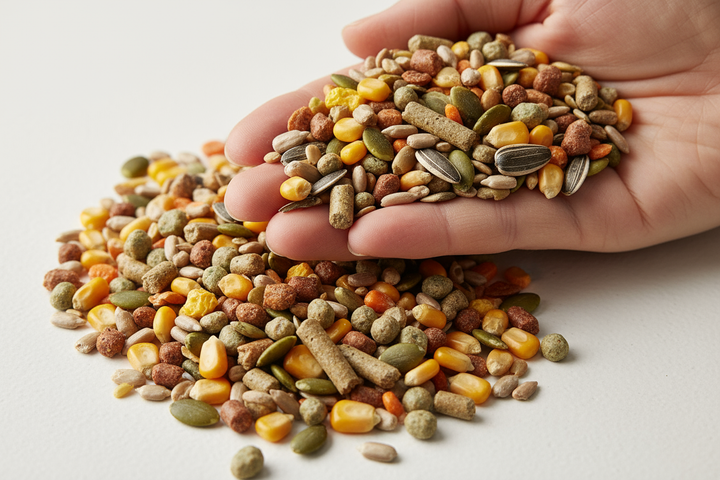
Feed your ducks a waterfowl-specific pellet or an unmedicated flock raiser. Standard medicated chick starter is not appropriate for ducks. Supplement with fresh greens, garden trimmings, and whatever insects and slugs they find while foraging — they're natural, enthusiastic pest controllers.
Health and Common Concerns
Ducks are generally robust with fewer health issues than chickens when kept in clean conditions. The two main concerns for beginners are niacin deficiency in ducklings — supplement brewer's yeast in their feed for the first few weeks — and bumblefoot, a foot infection caused by rough or persistently wet flooring. Keep their living area as dry as possible and check feet regularly. In winter, healthy ducks with dry, draft-free shelter need no supplemental heat.
Egg Production
Duck eggs are larger than chicken eggs, richer in flavor, and excellent for baking. Production breeds begin laying at four to six months. Unlike chickens, ducks often lay in the morning and early afternoon, giving you more flexibility in timing your egg collection.
Get everything you need to start your flock in our duck supplies collection, and explore our full selection of waterfowl and livestock essentials in our homestead supplies shop.