Raising Quail: A Beginner's Guide to Feed, Housing, and Eggs

Quail are one of the most underrated birds you can add to a homestead. They're small, quiet, fast-maturing, and prolific egg layers — a single coturnix hen can lay up to 300 eggs per year. If you've been thinking about raising quail, here's what you need to know to get started right.
Choosing the Right Breed
For beginners, coturnix quail — also called Japanese quail — are the clear choice. They reach laying age in just 6–8 weeks, are calm and easy to handle, and thrive in a wide range of climates. Bobwhite quail are another popular option, especially if you're interested in hunting stock, but they're wilder and take longer to mature. Button quail are the smallest option and work well for ornamental setups, though their eggs are too tiny to be practical for the table.
Housing Your Quail
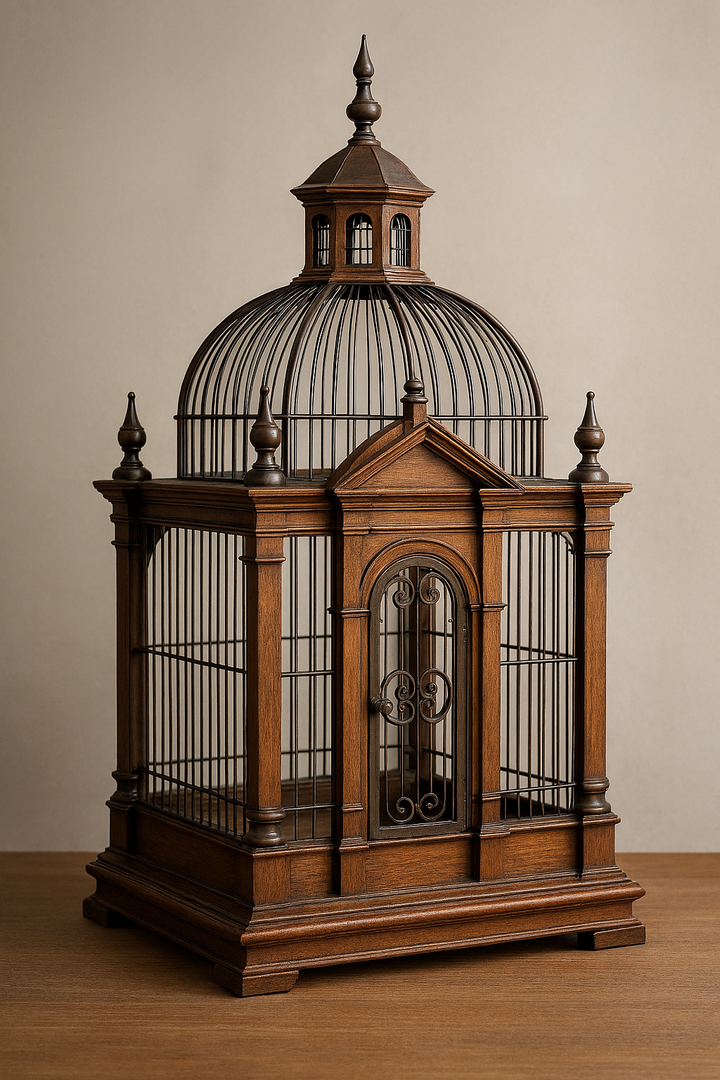
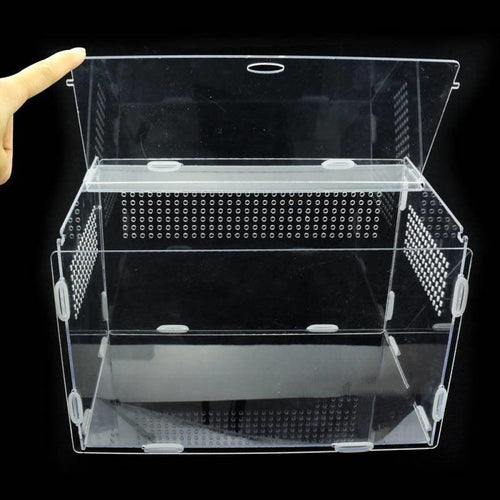
Quail don't need much space, but they do need protection. Wire-bottom cages work well for small flocks since droppings fall through, keeping birds cleaner and reducing disease pressure. Plan for at least one square foot per bird in a cage setup. If you're going with a ground run, you'll need more space and a thick layer of bedding — quail love to dustbathe. Cover your run completely. Quail flush fast and will fly straight up when startled, injuring themselves on open wire tops.
Keep quail separate from chickens. They're susceptible to diseases that chickens can carry without showing symptoms, and the size difference leads to bullying.
Quail Feed: Getting Nutrition Right
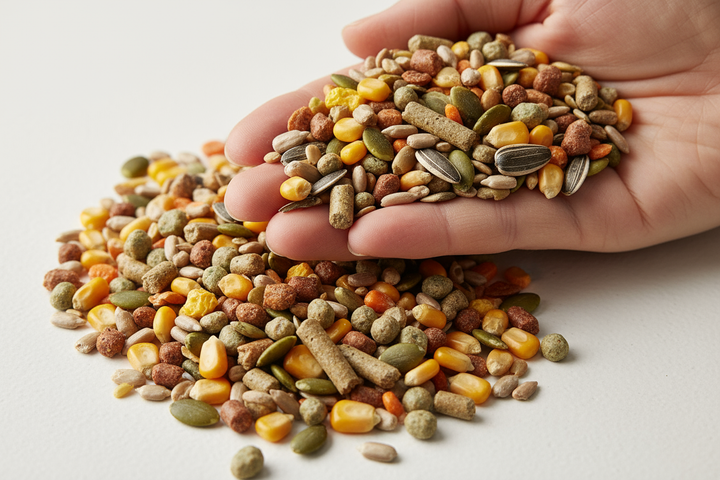
Proper quail feed is the foundation of a productive flock. Quail have a much higher protein requirement than chickens. During the first six weeks, feed a game bird starter with at least 24–28% protein. Once birds are mature and laying, switch to a game bird layer feed in the 20–24% protein range. Standard chicken layer pellets don't cut it — the protein and calcium ratios aren't right for quail, and egg production will suffer.
Keep feed in front of your birds at all times. Quail have fast metabolisms and don't do well with restricted feeding schedules. Supplement with insoluble grit if they're not on bare ground, and offer oyster shell separately for laying hens to support strong eggshells.
Water for Quail
Quail are small and can drown in deep water dishes. Use shallow waterers or place marbles in open containers to give birds a safe way to drink. Change water daily — quail tend to soil their waterers quickly, and dirty water is a fast track to disease in a dense colony.
Egg Production and Lighting
Coturnix hens start laying at 6–8 weeks and will maintain production as long as they receive 14–16 hours of light per day. A simple coop light on a timer is all it takes to keep egg production consistent through the shorter days of fall and winter. Quail eggs are small but richly flavored — and if you have more than you can use, they sell well at farmers markets and to local restaurants.
Health and Common Issues
Quail are generally hardy when kept clean and fed well. Watch for respiratory issues triggered by poor ventilation or dusty bedding, coccidiosis in young birds, and feather picking — usually a sign of overcrowding or protein deficiency. Keep litter dry, quarantine new birds for two weeks before mixing them with your flock, and never overcrowd cages.
Ready to get started? Find everything you need in our quail supplies collection, and explore our full range of homestead animal care essentials in our homestead supplies shop.