Large Breed Dog Nutrition: Why Feeding Your Big Dog Like Any Dog Is a Mistake

Large Breeds Have Unique Nutritional Needs
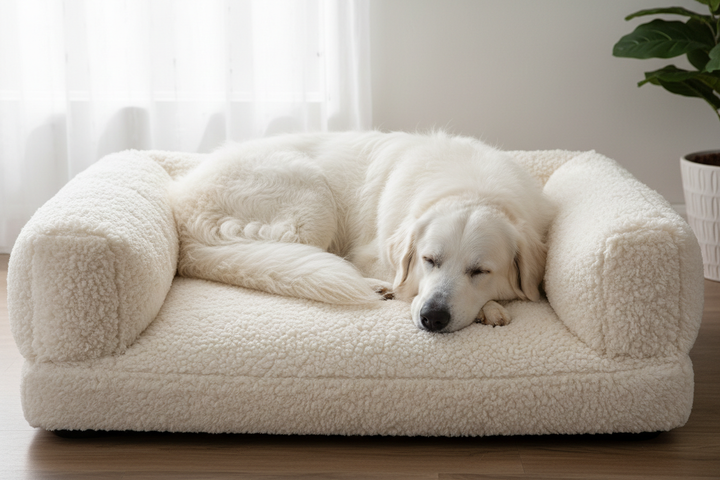
Feeding a large breed dog — especially a large breed puppy — as though size is irrelevant is one of the most common and consequential mistakes dog owners make. A bag of generic adult food doesn't meet the skeletal and joint demands of a hundred-pound dog.
The Large Breed Puppy Formula Matters
During the first 12-18 months of life, large breed puppies grow at an astonishing rate. The risk isn't insufficient growth — it's too-rapid growth. Large breed puppy formulas moderate growth rate through controlled calcium and phosphorus ratios, preventing developmental orthopedic diseases like osteochondrosis and hip dysplasia. Keep large breed puppies on large breed puppy food until skeletal maturity — typically 12-18 months depending on breed.
Portion Control and Obesity
Excess weight is the single most damaging thing you can do to a large dog's joints. Every extra pound is extra mechanical stress on hips, knees, and elbows. Measure every meal — do not free-feed large breeds. Use body condition score (feel the ribs easily but not see them) rather than relying on weight alone.
Kibble Size and Bloat Prevention
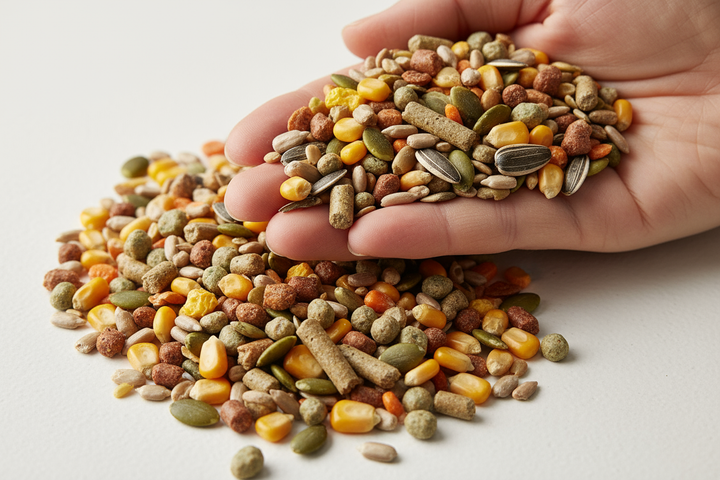
Larger kibble sizes for large breeds require real chewing, which slows intake, reduces bloat risk, provides dental benefit, and improves satiety. Giant breeds are prone to gastric dilatation-volvulus (bloat), and slowed eating through kibble design and puzzle feeders is one layer of meaningful prevention.