Hermit Crab Habitat Setup Guide for Healthy Crabs
Build a humid, secure crabitat with this hermit crab habitat setup guide, with practical advice on tank size, heat, substrate, water, shells, and play.

A hermit crab can survive in a small plastic carrier for a short trip home. It cannot thrive there. A proper hermit crab habitat setup guide starts with that distinction: these are active, social land animals that need stable warmth, high humidity, deep digging space, safe water, and choices throughout their enclosure. Build for the crab’s full life, not for the few inches it occupies today.
Start With a Tank That Has Room to Grow
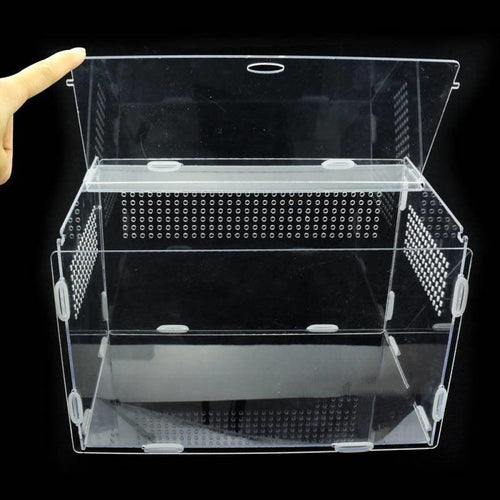
For a pair of small hermit crabs, a 20-gallon long glass aquarium is a sensible starting point. Larger species, growing crabs, and groups need substantially more floor space. Horizontal room matters more than height at first because crabs need an open substrate bed for burrowing, walking, and molting. A 29-gallon or 40-gallon breeder gives a small colony a much more forgiving footprint.
Use a fitted glass or acrylic lid. It keeps warm, humid air inside and prevents determined climbers from escaping. Screen tops release too much moisture unless they are largely covered. Crabs can climb silicone seams, cords, plants, and decor, so check every edge before leaving the habitat unattended.
Hermit crabs are social, but adding a friend is not a substitute for adequate space, shells, or food. Crowding increases competition and can lead to shell fights. It is usually kinder to improve the enclosure before increasing the group.
Create the Warm, Humid Conditions They Need
Land hermit crabs breathe through modified gills that must stay moist. Aim for a habitat temperature of about 75 to 85 degrees Fahrenheit, with humidity generally between 70% and 80%. Measure both with reliable digital gauges placed near crab level, not with a stick-on dial that offers only a rough guess.
A thermostat-controlled heat mat mounted on the outside back or side of the tank is often the safest way to create a warm zone. Never place a heat mat under the aquarium. Crabs dig down to molt, and heated substrate can dry them out or expose a molting crab to dangerous temperatures.
Humidity should come primarily from the damp substrate and water pools. If readings dip, first check the lid fit, water-pool size, and substrate moisture. Frequent misting may briefly raise the number on a gauge, but it can flood the lower layers and does not fix a poorly sealed habitat. Good husbandry is stable, not flashy.
Build a Deep Substrate Bed for Molting
Molting is the part of hermit crab care most often disrupted by an undersized setup. A crab preparing to molt burrows underground, sheds its exoskeleton, and remains hidden while its new body hardens. Digging it up, changing the substrate, or repeatedly disturbing the enclosure can be fatal.
Provide at least 6 inches of substrate, or a depth three times the height of your largest crab, whichever is greater. Many experienced keepers use a mostly play-sand blend with coconut fiber mixed in to help it hold tunnels. The goal is a damp, packable texture often described as sandcastle consistency: it should form a stable squeeze without dripping water.
Use plain, pesticide-free play sand rather than calcium sand, colored sand, or gravel. Calcium products can harden when wet, while gravel does not allow safe tunnels. Add dechlorinated water gradually as you mix so the lower layers are moist but not waterlogged. If you see standing water beneath the substrate or smell anything sour, assess the habitat carefully rather than simply stirring everything up. A severe flood may require action, but an underground crab’s safety comes first.
Offer Fresh and Saltwater Pools
Every crabitat needs two separate pools: one with dechlorinated fresh water and one with properly mixed marine saltwater. Table salt is not an acceptable replacement. Use a water conditioner that removes chlorine and chloramine, then prepare the saltwater with a marine aquarium salt mix according to its directions.
Both pools should be deep enough for your largest crab to submerge, with easy ways in and out. Plastic craft mesh, natural rocks secured in place, or purpose-built pool ramps work well. Test them with your hand. If a crab can fall in but cannot gain traction to climb out, the pool is not safe yet.
Change water when it is soiled and keep the pool areas clean. Small enclosures often benefit from frequent checks because food, sand, and shedding material can quickly foul shallow water. For a larger setup, filtered pools can reduce maintenance, but filtration does not replace observation.
Shells Are Essential Equipment, Not Decoration
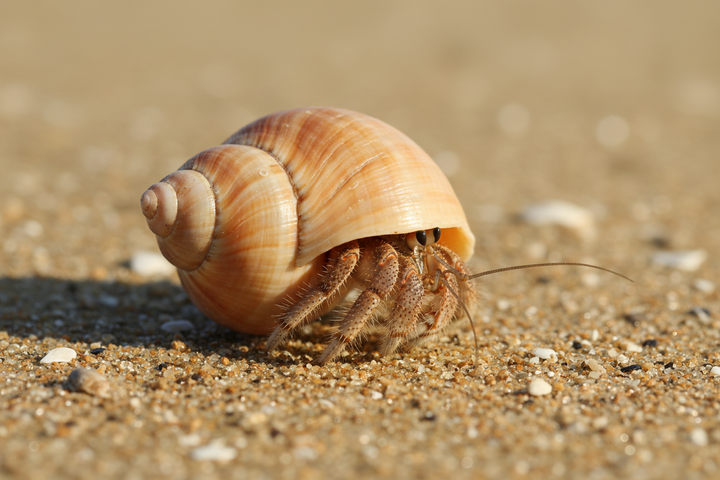
A hermit crab’s borrowed shell protects its soft abdomen and helps it manage moisture. Keep a generous selection of unpainted, natural shells close to the crabs’ current opening size, plus options slightly smaller and larger. Openings matter more than the shell’s outside shape. A crab that wears a round turbo-style shell may not choose a long, narrow shell simply because it looks similar in size.
Offer more shells than crabs, ideally with several appealing choices for each animal. Boil or rinse new shells to remove dust, let them cool, and place them opening-up in an accessible shell shop area. Avoid painted, varnished, polished, or artificially decorated shells. A pretty coating can chip, trap moisture, or introduce materials you do not want a crab to ingest.
If a crab changes shells frequently, inspect the selection before assuming there is a health issue. It may be searching for a better opening, weight, or internal shape.
Make the Habitat Interesting Above Ground
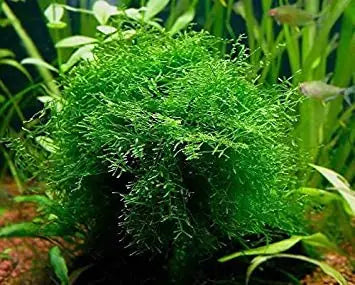
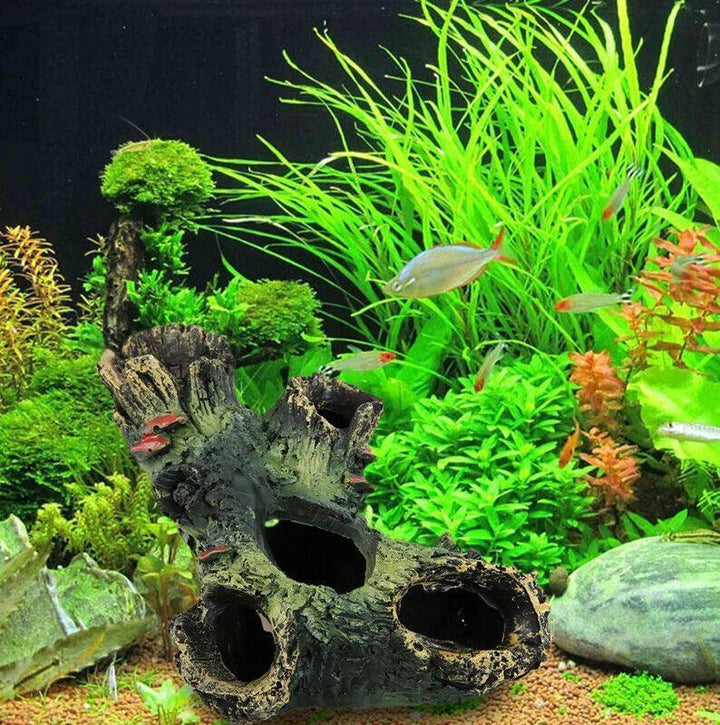
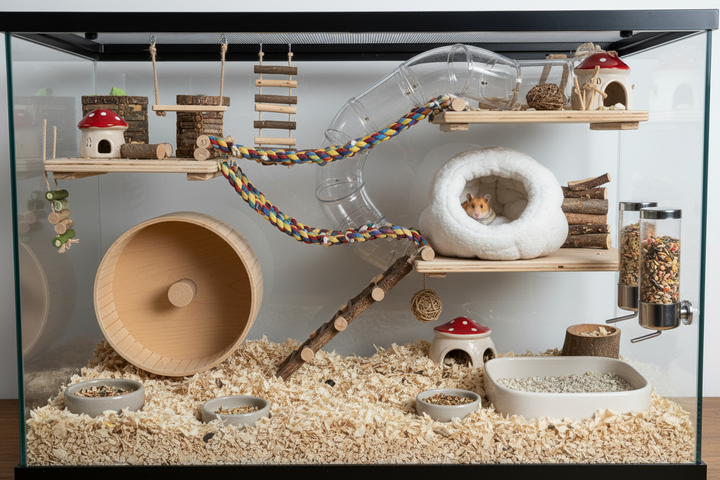
A healthy crabitat has more than sand and water. Add climbing branches, cork bark, hides, leaf litter, moss used in a contained area, and sturdy artificial or reptile-safe plants. These create shade, climbing routes, and different textures for exploration. Arrange heavier decor directly on the tank bottom before adding substrate when possible, so it cannot shift onto a burrowing crab.
A wheel designed for invertebrates can provide nighttime exercise, but choose a solid running surface and clean it regularly. Avoid adhesive-backed decor inside the tank, loose synthetic fibers, sharp metal, and items with unknown coatings. Natural does not automatically mean safe either: collect outdoor wood, leaves, or stones only when you can confidently identify them and prepare them appropriately.
Lighting can support a normal day-night rhythm, but bright lamps are not required for the crabs themselves. If live plants are part of the design, balance their light needs against the enclosure’s heat and humidity. Keep nighttime dark and calm.
Feed for Variety, Then Watch What Changes
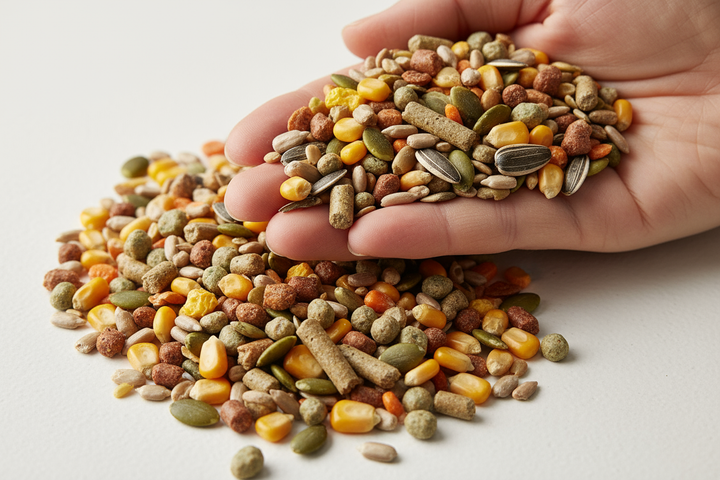
Hermit crabs are scavenging omnivores. A rotating menu of quality crab food alongside varied whole foods supports better nutrition than a single pellet alone. Offer animal protein, unsweetened dried or fresh fruits and vegetables, leafy greens, nuts or seeds in appropriate portions, and calcium-rich choices such as cuttlebone or crushed oyster shell. Remove perishables before they spoil.
They may eat more or less at different times, especially around a molt. Do not panic if a crab disappears underground or skips a favorite food for a few days. Instead, keep fresh water available, maintain conditions, and avoid digging to investigate. When a crab is buried, the rest of the colony still needs normal food and water above ground.
Commercial foods deserve a label check. Look for recognizable ingredients and avoid products that rely heavily on unnecessary dyes, preservatives, or vague filler. Thoughtful nutrition is one of the simplest ways to give small pets the best life, and Walnut Creek Pets believes specialty animals deserve that same careful standard.
Set It Up Before the Crabs Arrive
Run the empty habitat for several days before moving crabs in. Confirm that the heat stays steady overnight, humidity holds without constant spraying, pool ramps are secure, and the substrate remains packable. This small trial catches most problems before an animal has to live with them.
Once the crabs are home, keep the first few weeks quiet. Moving, shipping, and changing environments can be stressful, and some crabs may need time underground before they settle. Resist the urge to handle them for reassurance. Their behavior, appetite, shell choice, and ability to explore safely will tell you more than frequent handling ever could.
A well-built crabitat becomes easier to care for because it works with the animal’s instincts. Give your hermit crabs room to burrow, water to replenish, shells to choose, and a peaceful place to be crabs. Then let patience do some of the caring.