How to Set Up a Reptile Terrarium Safely
Learn how to set up a reptile terrarium with the right heat, light, substrate, hides, and monitoring for a healthy, species-specific home from day one.

A terrarium is not just a glass box with a heat lamp. It is your reptile’s entire climate, bedroom, dining area, shelter, and daily world. Learning how to set up a reptile terrarium starts with one guiding rule: build the habitat around the animal’s natural needs, not around what looks good on a shelf.
A leopard gecko, corn snake, bearded dragon, crested gecko, and red-foot tortoise may all be reptiles, but they do not need the same temperature, humidity, lighting, floor covering, or enclosure shape. Taking time to plan before your new companion comes home helps prevent common health issues and gives them the secure, enriched space they deserve for The Best Life.
Start With the Species, Not the Supplies
Before choosing an enclosure or adding décor, confirm your reptile’s adult size, activity level, native climate, feeding habits, and day-night routine. A juvenile animal may look tiny in a roomy setup, but planning for adulthood usually prevents an expensive upgrade later.
Terrestrial reptiles generally need more usable floor space, while arboreal species need height, climbing structure, and secure perches. A long, low enclosure can work well for many snakes and ground-dwelling lizards. Crested geckos, day geckos, and other tree-dwellers need a taller habitat that lets them climb and choose different temperatures at different levels.
Research the exact species, and where possible, the locale or morph-specific considerations that affect care. General reptile advice can be a useful starting point, but species-specific husbandry is where healthy care really begins.
Choose a Secure, Appropriately Sized Enclosure
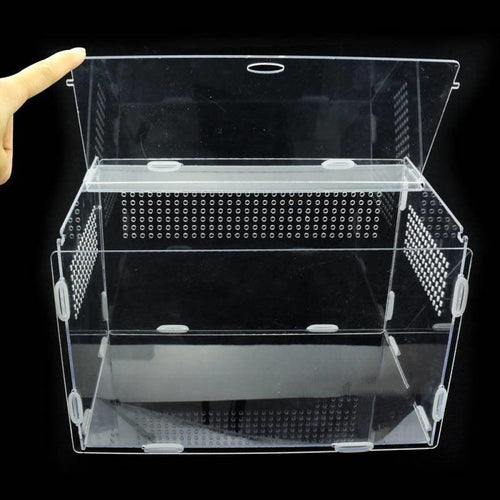
Glass terrariums remain popular because they offer clear viewing and work with many heating and lighting systems. PVC enclosures hold warmth and humidity especially well, making them a practical choice for many tropical snakes and lizards. Screen enclosures provide outstanding airflow but can make it harder to retain heat and humidity, so they are often best for species that benefit from drier conditions and strong ventilation.
Whatever material you choose, prioritize security. Reptiles can be surprisingly determined escape artists. The enclosure should have a locking or tightly fitting lid, no gaps around doors or cord openings, and stable screening that cannot be pushed loose.
Size is more than a welfare checkbox. A properly sized terrarium gives your reptile room to thermoregulate, explore, hide, climb, and move naturally. It also allows you to create distinct warm and cool areas instead of heating every inch to one temperature.
Give the enclosure a test run
Set up and run the enclosure for at least several days before adding the animal. This lets you check temperatures, humidity, equipment placement, and nighttime conditions without putting a reptile at risk. It is much easier to correct a weak heat source or overly dry substrate before move-in day.
Build a Temperature Gradient
Most reptiles cannot generate and regulate body heat the way mammals do. They depend on their environment, which is why a temperature gradient is essential. One end of the terrarium should provide a warm basking or warm-zone area, while the opposite end stays cooler. Your reptile can then move between zones as needed.
The correct temperatures depend entirely on species. A bearded dragon needs a much hotter basking zone than a ball python, while a crested gecko can become stressed or dangerously overheated in temperatures that many desert lizards tolerate well.
Use a thermostat with every heat source. Heat mats, ceramic heat emitters, radiant heat panels, and basking bulbs can all be useful in the right setup, but unregulated heat can cause burns, overheating, or dangerously high enclosure temperatures. A thermostat is protective equipment, not an optional extra.
Measure conditions with digital thermometers placed at the warm and cool ends. An infrared temperature gun is also useful for checking basking surfaces, rocks, branches, and hide interiors. Air temperature and surface temperature are not always the same, and both can matter.
Avoid hot rocks. Reptiles may not move away quickly enough from an unsafe heated surface, and localized burns can be severe.
Add Lighting That Matches the Animal
Lighting does more than make a terrarium easy to enjoy. For many reptiles, a reliable light cycle supports normal daily behavior, appetite, and seasonal rhythms. A timer is one of the simplest ways to keep the schedule consistent, usually providing roughly 10 to 12 hours of daylight depending on the species and season.
Many diurnal reptiles, especially bearded dragons, uromastyx, tortoises, and many iguanas, need carefully selected UVB lighting to support vitamin D3 production and calcium metabolism. The bulb type, fixture, distance from the animal, screen coverage, and replacement schedule all affect how much usable UVB reaches the reptile.
Nocturnal animals may not require the same UVB approach, though some benefit from low-level UVB when it is properly designed for their species. Do not assume every reptile needs the same bulb simply because it is sold in the reptile aisle. For species that need UVB, follow evidence-based guidance for that animal and replace bulbs on schedule, since UVB output can decline before visible light does.
At night, darkness should generally stay dark. If supplemental nighttime heat is necessary, use a non-light-emitting source controlled by a thermostat rather than a colored night bulb.
Select Safe Substrate and Furnishings
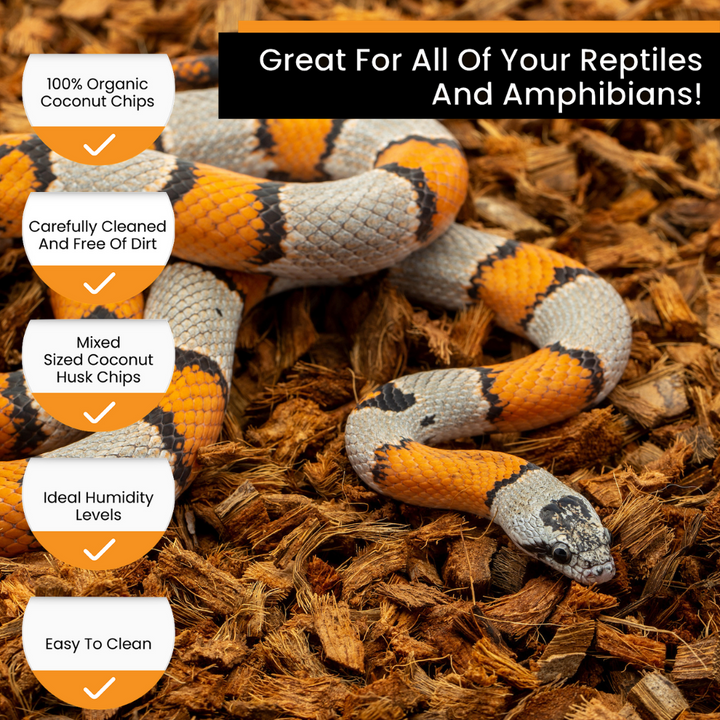
Substrate affects humidity, cleanliness, digging behavior, traction, and the risk of accidental ingestion. There is no universal best choice. Paper towels are simple, economical, and excellent for quarantine, young animals, medical monitoring, or keepers who want to track waste closely. Naturalistic options such as soil blends, cypress mulch, coco fiber, slate, or species-appropriate sand mixes can work beautifully when selected and maintained correctly.
Loose substrate is not automatically unsafe, but it must suit the reptile, its feeding habits, hydration level, and enclosure conditions. A poorly hydrated animal living in incorrect temperatures is more vulnerable to impaction than a healthy animal kept under proper husbandry. For beginners, a simpler substrate often makes it easier to spot problems while you learn your reptile’s normal routines.
Every terrarium should include at least two hides: one in the warm zone and one in the cool zone. A reptile that feels exposed may stop eating, spend all day hiding, or become defensive. The best hide is snug enough to make the animal feel enclosed, not oversized and decorative.
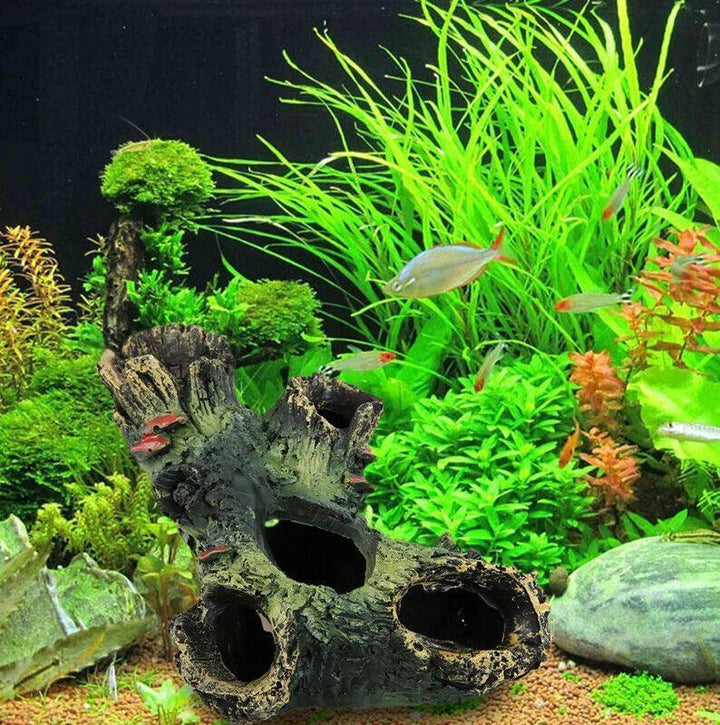
Add climbing branches, cork bark, rocks, plants, and background structure according to species. Heavy décor must sit securely on the enclosure bottom or be anchored so a digging reptile cannot shift it. Check branches and climbing ledges regularly, especially in tall arboreal setups.
Include water and humidity support
Provide a clean water dish large enough for the animal’s normal drinking behavior, and large enough for soaking only when that is appropriate for the species. Replace water daily and scrub the dish routinely.
Humidity needs vary dramatically. Desert species may need dry air with a humid hide for shedding, while tropical snakes and geckos may need consistently higher ambient humidity. Use a digital hygrometer, not guesswork. If humidity is low, you may need to adjust substrate, water placement, enclosure ventilation, or misting practices. If it stays too high, improve airflow and remove damp material before mold or respiratory concerns develop.
Clean, Monitor, and Adjust
Once your reptile is home, daily observation becomes one of the most valuable care tools you have. Check that heat and humidity readings are in range, water is clean, lights and thermostats are operating, and your animal is behaving normally for its species.
Spot-clean waste and uneaten food promptly. Follow a regular schedule for deeper cleaning, but do not strip out every familiar scent and rearrange the entire enclosure without reason. Reptiles benefit from a stable, predictable home. When you do replace substrate or sanitize furnishings, use reptile-safe methods and make sure all surfaces are dry before the animal returns.
Watch for changes such as persistent refusal to eat, wheezing, swelling, retained shed, weakness, unusual stool, burns, or a sudden drop in activity. These may reflect a husbandry issue, illness, or both. A qualified reptile veterinarian can help, but accurate temperature, lighting, and humidity records will make that conversation far more useful.
A Home Worth Exploring
The best terrarium is not necessarily the one with the most decorations or the most expensive equipment. It is the one that gives your specific reptile safe choices: a warm place, a cool retreat, a secure hide, clean water, appropriate light, and room to behave like itself.
At Walnut Creek Pets, we believe careful habitat planning is one of the kindest things a keeper can do. Set the enclosure up thoughtfully, monitor it consistently, and let your reptile show you through calm, natural behavior that its new home is working.