Where to Buy Feeder Insects With Confidence
Learn where to buy feeder insects, how to assess quality and shipping, and which live feeders best match your reptile, amphibian, or fish safely at home.

A cup of crickets or worms can look like a simple purchase. For the animal waiting at home, though, those insects are a major part of nutrition, hydration, enrichment, and day-to-day health. Knowing where to buy feeder insects means looking beyond price per dozen and choosing a source that treats live feed as live animals, not ordinary shelf stock.
Whether you keep a hungry bearded dragon, a picky leopard gecko, a tree frog, a colony of tarantulas, or freshwater fish that respond best to live food, the right feeder supplier makes regular care easier. The goal is healthy insects, sensible packaging, dependable delivery, and clear guidance on what each feeder is best suited for.
Where to Buy Feeder Insects: Your Best Options
Pet stores, reptile specialty shops, bait shops, online live-feed retailers, and local breeders can all sell feeder insects. None is automatically best in every situation. The right choice depends on the species you keep, how frequently you feed, the number of animals in your care, and whether you can reliably receive a live shipment.
A local pet store is convenient when you need a small number of feeders today. You can inspect the container before buying and avoid weather-related shipping concerns. This works especially well for a single pet that eats a few crickets, mealworms, or dubia roaches each week. The trade-off is that local inventory may be limited, and the insects may have been sitting in a store cup longer than you would prefer.
Dedicated reptile shops often provide a stronger selection, including multiple cricket sizes, dubia roaches, hornworms, black soldier fly larvae, silkworms, and specialty feeders. Staff may also have useful species-specific experience. Availability still varies by location, and it is worth checking that the store maintains clean feeder bins, uses appropriate food, and turns inventory quickly.
Online live-feed suppliers are often the practical choice for households with several insect-eating pets or keepers who need consistent access to particular sizes and species. A well-run online retailer can offer more precise sizing, larger quantities, recurring availability, and feeder options that a neighborhood store does not carry. Walnut Creek Pets is one option for pet families who want live feeders alongside terrarium supplies, quality foods, and care essentials from a family-owned retailer that supports no-kill shelters.
Local breeders can be an excellent source when they have an established reputation for clean colonies and reliable communication. Buying nearby may reduce travel stress on feeders and give you access to useful husbandry advice. Ask what the insects are fed, how they are housed, and whether the breeder can provide the sizes your animal needs on a dependable schedule.
Bait shops deserve a careful mention. Some sell crickets, worms, and larvae that appear suitable, but bait insects are not always raised or handled with reptile and amphibian nutrition in mind. Avoid relying on them unless you know exactly what species you are buying, what it has been fed, and whether it has been exposed to pesticides or unsuitable bedding.
What Healthy Feeder Insects Look Like
Healthy feeders should be active, appropriately sized, and free of obvious odor, excessive moisture, mold, or large numbers of dead insects. A few losses can happen with any live shipment, particularly during extreme heat or cold. A container filled with dead, weak, damp, or foul-smelling feeders is a quality concern, not something to shrug off.
With crickets and roaches, look for lively movement and a clean enclosure. With worms and larvae, look for firm bodies and bedding that is dry enough to prevent spoilage. Hornworms should be plump and moving, not deflated or leaking. Fruit fly cultures should contain active flies without widespread mold or a collapsed, overly wet medium.
The insect's diet matters as much as its appearance. Feeder insects are the nutritional bridge between their food and your animal. Suppliers that feed their colonies appropriate produce, dry diets, and hydration sources give you a better starting point than suppliers that treat insects as disposable inventory. You should still gut-load many feeder insects at home before feeding, especially for reptiles and amphibians with specific calcium and vitamin needs.
Match the Feeder to the Animal, Not the Trend
There is no single "best" feeder insect. Variety can support a more interesting, balanced feeding plan, but variety only helps when each feeder is safe and suitable for your animal's size, age, species, and health.
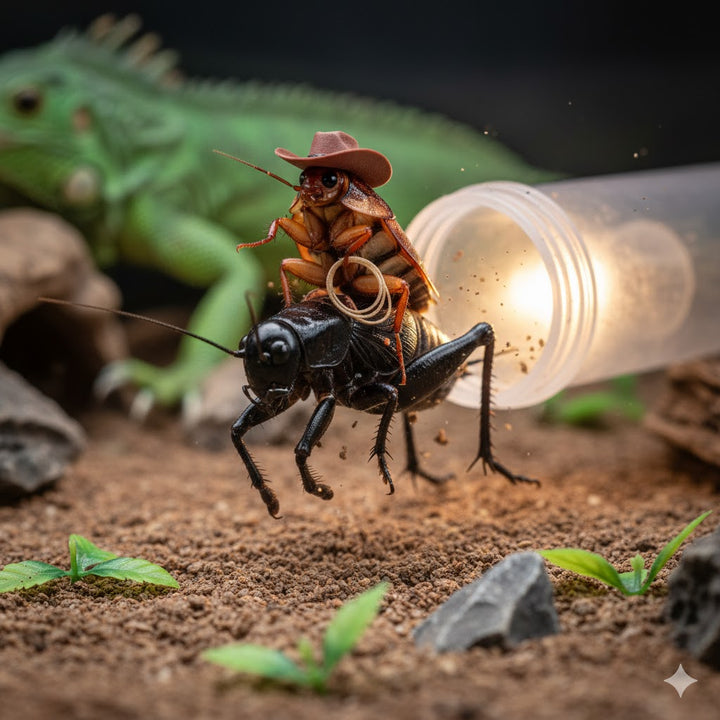
Crickets are active, widely accepted, and available in many sizes. Their movement encourages natural hunting behavior, but they require prompt care after arrival and can be noisy. Dubia roaches are nutritious, easy for many keepers to house, and less likely to climb smooth surfaces, although they may not be available in every area and not every pet accepts them immediately.
Mealworms and superworms are convenient staples or treats for many insectivores, yet their firmer outer coating and fat content mean they should not automatically become the entire diet. Black soldier fly larvae provide a useful calcium-forward option for many reptiles. Hornworms bring moisture and strong feeding appeal, but they grow rapidly and are usually best purchased in amounts you can use soon.
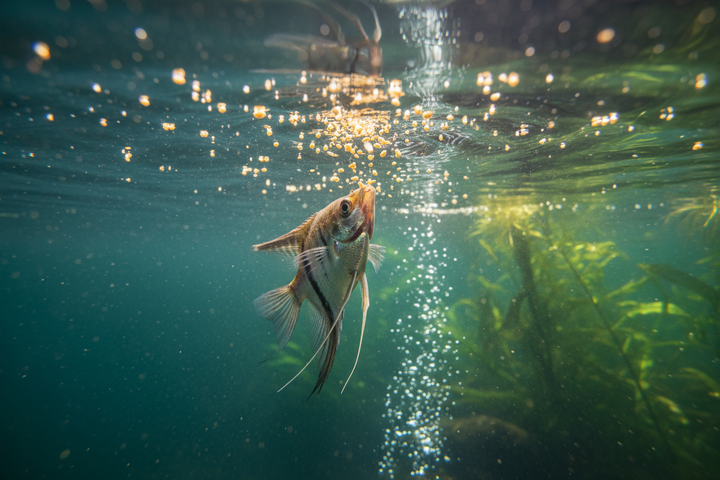
For small amphibians, fry, and tiny invertebrates, flightless fruit flies may be the right size when crickets are far too large. Aquatic animals may benefit from species-appropriate live foods, but water quality and disease prevention deserve extra attention. Feed only what will be eaten promptly, and do not let excess live food foul the tank.
A practical sizing rule for many reptiles and amphibians is to avoid feeders wider than the space between the animal's eyes. It is a helpful guideline, not a substitute for species-specific care. Hatchlings, seniors, animals recovering from illness, and unusual species may need a more tailored plan.
How to Evaluate Online Feeder Insect Shipping
When buying live insects online, shipping is part of the product. Check whether the seller clearly explains ship days, weather holds, arrival expectations, and what to do if there is a problem. Live shipments often need to be collected quickly from a mailbox, porch, or building office. Leaving a box outdoors in summer heat or freezing temperatures can turn a good shipment into a loss within hours.
Order early in the week when possible. This lowers the chance that a package sits in a carrier facility over a weekend. Choose a delivery date when someone can bring the box inside promptly, and consider local weather at both the shipping origin and your home. A responsible supplier may delay an order during dangerous temperatures. That can feel inconvenient, but protecting live animals is better than rushing a box into unsafe conditions.
Read the live-arrival policy before placing an order. Look for clear instructions about reporting an issue, including any time window for photographs or counts. Policies vary, and a fair policy still requires the customer to follow delivery and reporting requirements.
Prepare Before the Box Arrives
Do not order feeders first and figure out housing later. Have a ventilated container, appropriate bedding or egg flats, food, and a safe hydration source ready before delivery. Crickets can drown in open water dishes, so use insect-safe hydration crystals or a suitable moisture source. Roaches need secure ventilation and a warm, dry setup. Worms generally need appropriate substrate and cooler conditions than tropical feeders.
After unpacking, remove dead insects promptly, transfer the live feeders to clean housing, and give them food and hydration time before offering them to your pet. This short settling period can improve feeder condition and gives you a chance to gut-load according to your veterinarian's or species care plan.
Avoid releasing unused feeder insects outdoors. Non-native feeders, escaped colonies, and insects exposed to household conditions can create problems for local ecosystems and your home. Keep containers secure, buy realistic quantities, and use surplus feeders only in ways that are appropriate for the animals you keep.
Questions Worth Asking Before You Buy
Before choosing a supplier, ask a few direct questions: Are the insects captive-raised for pet feed? What are they fed? Which sizes are available? How are they packed for the season? What happens if the shipment arrives in poor condition? A trustworthy seller should make these basics easy to understand.
Price matters, particularly for multi-pet homes, but the cheapest cup is not always the best value. Consider survival on arrival, feeder health, the time you spend replacing losses, and whether the supplier carries the nutrition and habitat supplies needed to care for your animals well. A dependable routine saves both frustration and last-minute feeding emergencies.
The best place to buy feeder insects is the one that reliably provides healthy, correctly sized feeders for your specific animals and helps you maintain a feeding routine you can feel good about. Start with the needs of the pet, prepare for delivery, and let quality guide the purchase - because every carefully chosen feeder supports a better, more active life in the habitat you work hard to create.