Senior Dog Nutrition: What to Look for in Food as Your Dog Gets Older

Lower Calories, Not Lower Quality
Most senior dogs need fewer calories than they did in their prime — not because they're less worthy of good food, but because their metabolism slows and activity level typically decreases. Nutrition quality matters more as dogs age, because their digestive systems become less efficient at extracting nutrients from poor-quality sources.
Protein: Higher Quality, Not Less of It
There is a persistent myth that senior dogs need less protein to protect aging kidneys. In healthy senior dogs without diagnosed kidney disease, this is not supported by current research. High-quality protein becomes more important with age — muscle mass naturally declines and needs support. Prioritize foods where a named, whole protein is the first ingredient.
Supplements That Move the Needle
- Glucosamine and chondroitin — foundational for joint health. Most senior dogs benefit even before showing signs of stiffness.
- Omega-3 fatty acids (EPA and DHA) — support brain health, reduce joint inflammation, improve coat. Fish oil is the most bioavailable source.
- Probiotics — digestive efficiency often declines with age. A quality probiotic can make a real difference.
Wet Food and Hydration
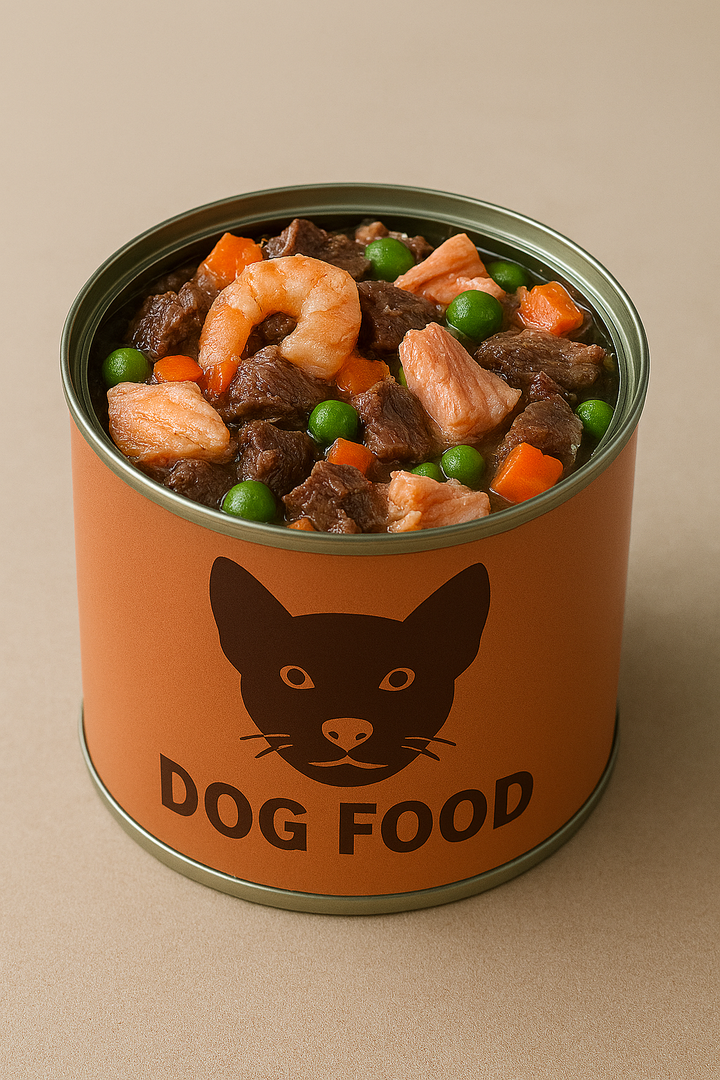
Older dogs are often chronically underhydrated. Wet food — with its 70-80% moisture content — is one of the simplest ways to increase daily fluid intake. A wet-food diet or kibble-and-wet combination can make a meaningful difference in how they feel and how their organs function.