Small Breed Dog Nutrition: Why Size Actually Matters in the Food Bowl

Fast Metabolism, Big Nutritional Demands
Small dogs have a higher metabolic rate per pound of body weight than large dogs. They burn through energy faster and demand more calories relative to their size. A food designed for small breeds accounts for this — it packs more nutrition per cup than a standard adult formula.
Kibble Size: A Small Detail That Isn't Small
Small dogs have small mouths, and many standard-sized kibbles are genuinely too large for them to chew properly. When a dog can't chew their food effectively, they often swallow pieces whole — creating a digestive efficiency problem and choking risk. Small breed formulas are designed with appropriately sized kibble.
Hypoglycemia: The Hidden Risk in Tiny Dogs
Toy breeds — Chihuahuas, Yorkies, Pomeranians, Maltese — are particularly susceptible to hypoglycemia. Very small dogs often need to eat three times a day, particularly as puppies or during high activity or stress. Signs: shivering, weakness, glassy eyes, stumbling. Feed 3x/day for tiny breeds — it's not pampering, it's responsible care.
Dental Disease: The #1 Health Issue in Small Breeds
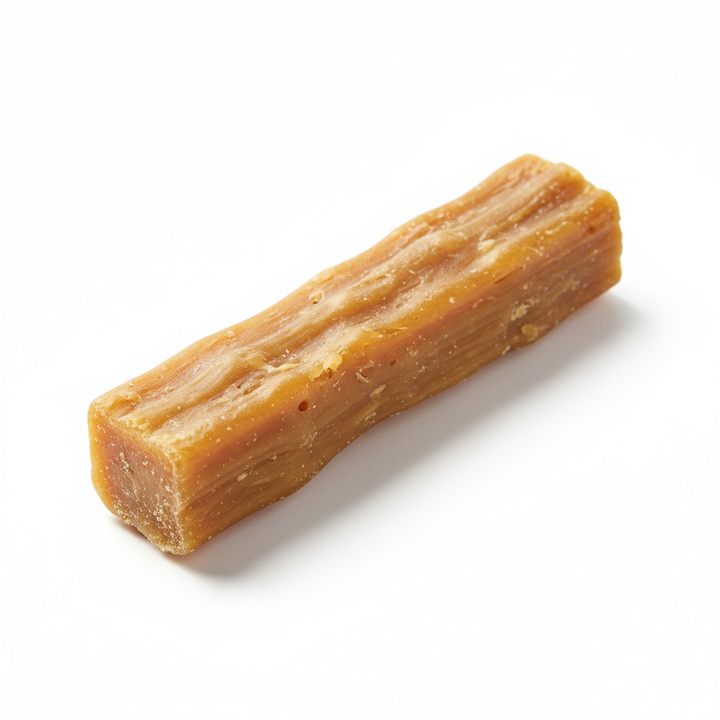
Small dogs have the same number of teeth as large dogs crammed into a much smaller mouth. By age three, most small breed dogs have clinically significant dental disease — directly linked to heart, kidney, and liver problems. Daily dental chews, brushing, and regular professional cleanings are essential.