Tortoise Housing: Outdoor Enclosures vs. Indoor Setups

Outdoor: The Gold Standard
If your climate supports it, an outdoor enclosure is the single best thing you can offer a tortoise. Requirements: walls at least 12 inches high and buried 6-12 inches underground to prevent escape and predator entry, a covered or shaded area, a hide box with substrate for overnight shelter, and a basking area with full sun.
Indoor Setups: What Actually Works
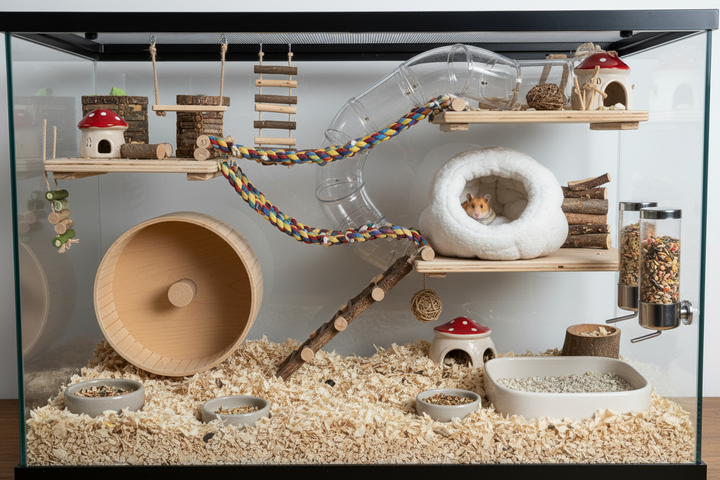
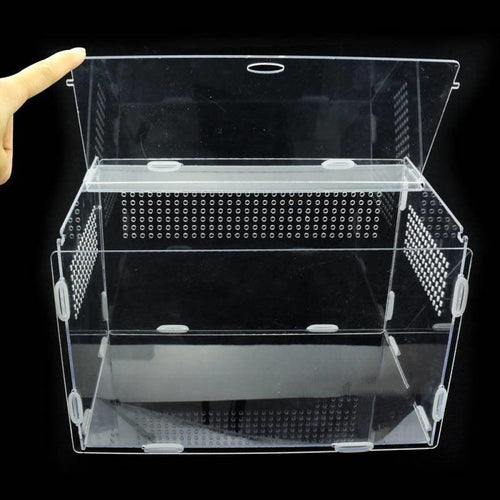
The most common indoor mistake is a glass aquarium. A tortoise table — an open-topped enclosure built from wood — works far better. Minimum for a single small tortoise: 4 feet by 2 feet.
UVB for Indoor Keepers
Use a T5 HO 10.0 UVB bulb. Mount it at one end of the enclosure to create a gradient the tortoise can move in and out of. Pair with a basking lamp that brings the hot spot to 95-100°F. Replace UVB bulbs every 12 months regardless of visible output.
Substrate Depth and Nighttime Heating
Provide at least 4-6 inches of substrate — a topsoil and play sand mix. Tortoises that cannot burrow become stressed over time. In cool climates, a ceramic heat emitter keeps nighttime temperatures above 60°F without disrupting sleep cycles.